Ultrahuman
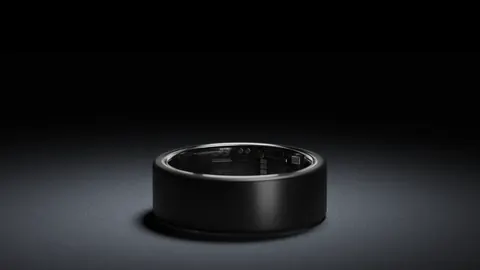
Ultrahuman Ring AIR
379.00 EUR
10 products · augments continuous sensing · 7 with sourced capabilities
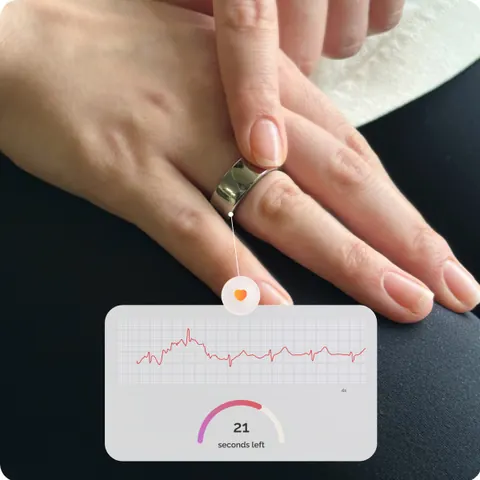
A ring is the smallest place to put a sensor and the only one people keep on overnight. That is the whole argument: finger-based sensing gets continuous data through sleep, which is where most of the interesting physiology happens. The trade-off is equally simple — a ring has almost no surface for a display or a speaker, so everything it knows has to be read somewhere else.
Ultrahuman
379.00 EUR
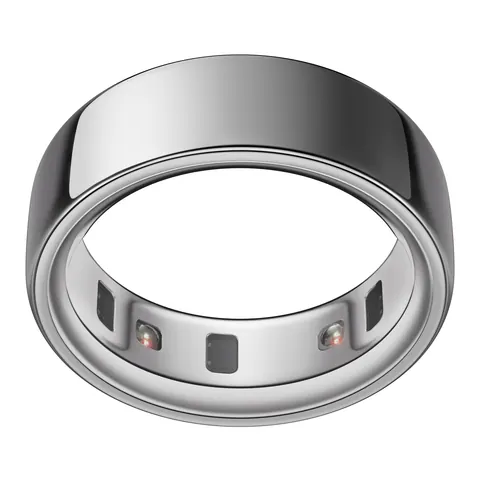
Oura
265.30 EUR · 6 capabilities
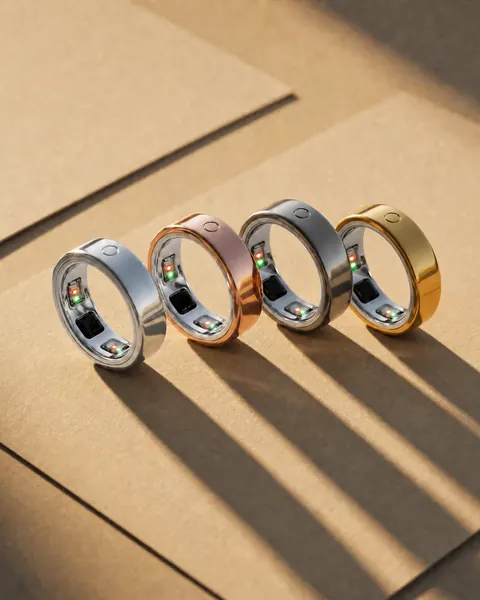
Circular
349.00 USD
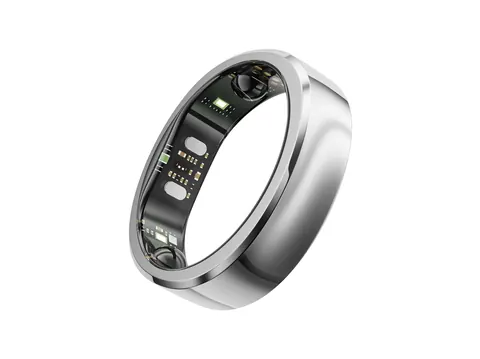
RingConn
349.00 USD · 2 capabilities
Circular
299.00 USD · 6 capabilities
RingConn
299.00 USD
RingConn
199.00 USD · 5 capabilities
Therabody
149.99 USD · 1 capability
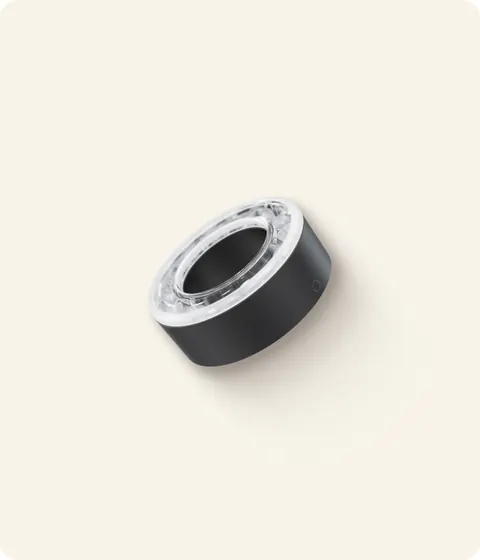
Therabody
99.99 USD · 1 capability
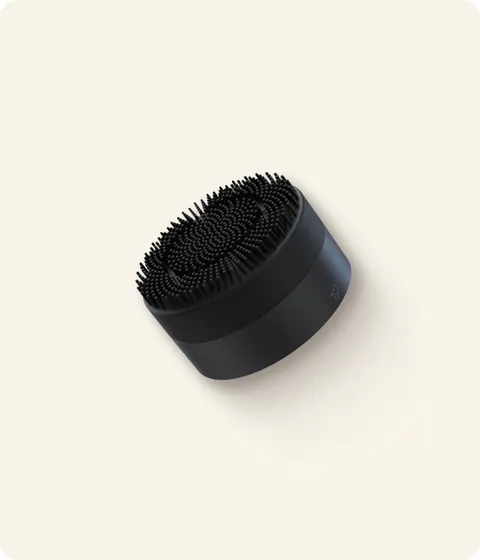
Therabody
49.99 USD · 1 capability
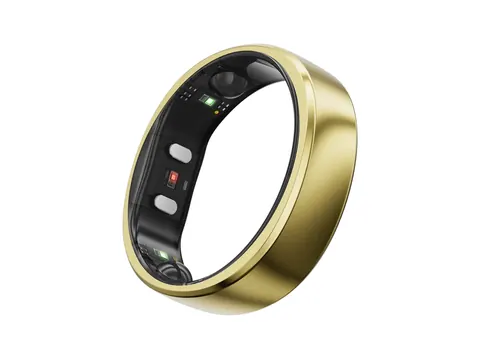
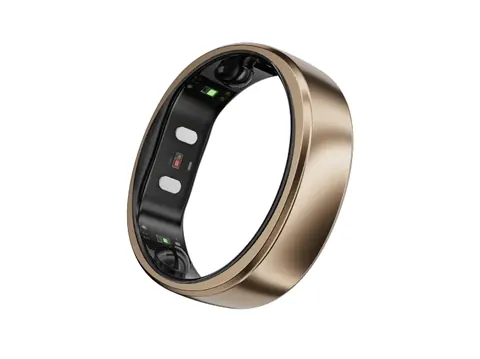
Rings with sensors that record at least one physiological signal continuously and ship with software to read it.
Rings that only track steps through a phone, jewellery with an NFC chip and no sensing, and discontinued models whose maker no longer publishes a product page.
A product belongs to exactly one category. Where a device could sit in two, we file it by what it does most of the time — and say so on its page.
Check the subscription. Several rings are cheap to buy and expensive to keep, because the data lives behind a monthly fee.
Size matters more than features: a ring that does not fit the finger you will wear it on measures badly or not at all.
Sleep staging is the capability most worth verifying — it is where manufacturers differ most and where marketing is loudest.
Sorted by what the device augments, not by what it costs. Every product card links to the maker's page; every claim on a product page links to the sentence it came from. Catalogue state: 10 published products in Smart Rings, last read 31 Oct 2026.